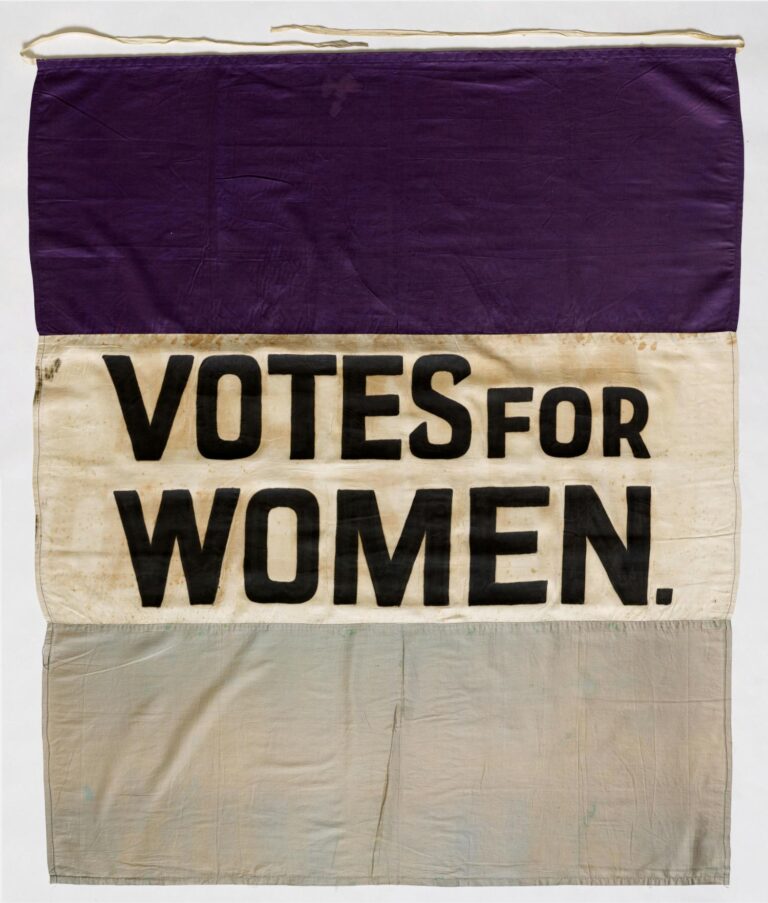
Wear these words as armour for the next time someone tells you: ‘Sexism no longer exists’.
Mary Ann Sieghart, journalist, broadcaster, author, is a patron of End Sexism in Schools.
A book of relentless clarity
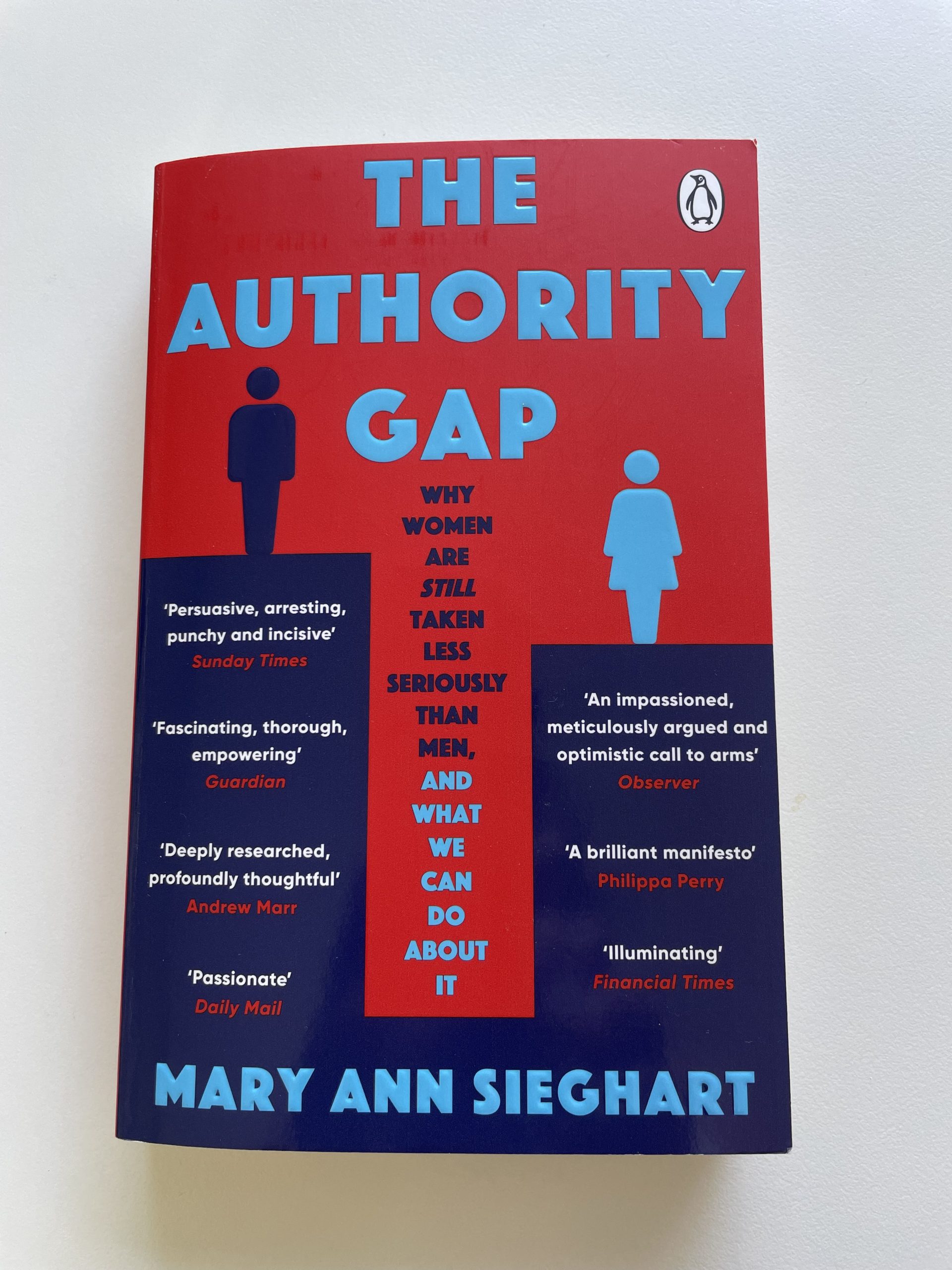
With the force of relentless clarity, Mary Ann Sieghart’s The Authority Gap delivers a cascade of evidence for an experience many women already know intimately — the subtle and overt ways in which women are denied authority, voice and respect in society.
What makes The Authority Gap stand out is the extraordinary discipline of its argument: scientific, digestible and precise. Sieghart methodically controls for variable after variable until gender is the last outlier, a stubborn and statistically proven axis of inequality.
Grounded in data
The data is powerful, but what makes the book equally enjoyable is its fusion with anecdotal evidence, humour and lived experience.
Across chapters, Sieghart maps the authority gap across TV and film, politics, business, education, religion, literature, and beyond — with global scope and sharp intersectional awareness.
Voices from around the world, from diverse backgrounds and careers, are platformed through interviews with leading women. Their stories, as Sieghart notes, “give credence to those of the rest of us.”
The Authority Gap in numbers
The pace is galloping. One barely finishes digesting one statistic before the next arrives:
In this way, Sieghart doesn’t merely name the problem; she arms the reader with the knowledge to confront it.
This book is a sanity check for women, a wake-up call to men, a manual for the next time someone suggests that sexism is over.
Perhaps the book’s only misstep — and a painful one to read in 2025 — is Sieghart’s hopeful prediction that Kamala Harris would be the first woman president of the United States.
In the concluding chapter, Sieghart offers not just insight but instructions — spelling out practical, actionable ways each part of society can help close the gap. Her advice is fundamentally helpful to the campaign to End Sexism in Schools through its well-crafted action plans for parents, teachers and us all as individuals.
Wide appeal and relevance
This book is not just for women, and not just about women. It’s for everyone who wants to live in a world where expertise is recognised regardless of gender and where authority is earned, not assumed.
The Authority Gap is a rigorous, impassioned, and essential read — a resource to return to, quote from and share.
At once illuminating and infuriating, it confirms what too many still try to deny: that sexism hasn’t disappeared — it’s simply evolved.
Essential, uncomfortable, galvanizing.