
Dr Natasha Hodgson’s fantastic talk at the Historical Association Annual Conference on Friday 15th May 2026 in Newcastle brought to light innovative new ways of looking at the Bayeux Tapestry, as part of the ESIS ‘Great History Heist’ recommendations for curriculum reform.
Anyone growing up in the UK will no doubt have nostalgic memories of being taught about the Battle of Hastings in primary school or at the start of Year 7. But have you ever noticed the three women who are embroidered onto this most famous artwork?
Women woven into History
Firstly Edith of Wessex is most likely the woman shown weeping by the deathbed of her husband Edward the Confessor. Here she is present for the king’s novissima verba (last words) that allowed her brother Harold to claim the crown, making Edith a crucial person to witness and provide legitimacy to the succession of the Godwinson family to the English throne. But unlike her mother Gytha who led rebellions against William after the conquest, Edith was given lands and died peacefully in 1075.
Some scholars even think that Edith was the patron of the Bayeux tapestry itself which could explain some favourable depictions of Harold as well as a gift to show her loyalty to the new Norman rulers.
Secondly, Aelgyva is the only woman named in the embroidered text. This mysterious character is hard to identify and could refer to many different people who went under similar names. She is shown in a doorway being touched on the head by a cleric. Natasha made us all notice the unusual naked man on the border of the tapestry in this scene which could indicate some kind of sexual misdemeanour either by Aelgyva herself or the cleric. This must have been a well known story which played some kind of part in the succession crisis in 1066.
Next there is a woman and child running from a burning building being set alight by two soldiers holding torches. Whilst she cannot be identified, she represents the thousands of women and children who were affected by conflicts throughout history and should also be considered when discussing any warfare.
There is in fact a ‘hidden woman’ in the shape of William’s flagship in the invasion fleet scene. Named Mora and identified by the papal banner flying from its mast, the ship was famously paid for and equipped by William’s wife Matilda of Flanders. She was also left as regent to maintain control of Normandy in William’s absence and continued to rule the kingdom during his consolidation of power in England.
This is another example of how women’s contribution to the power struggle can still be discussed in class.
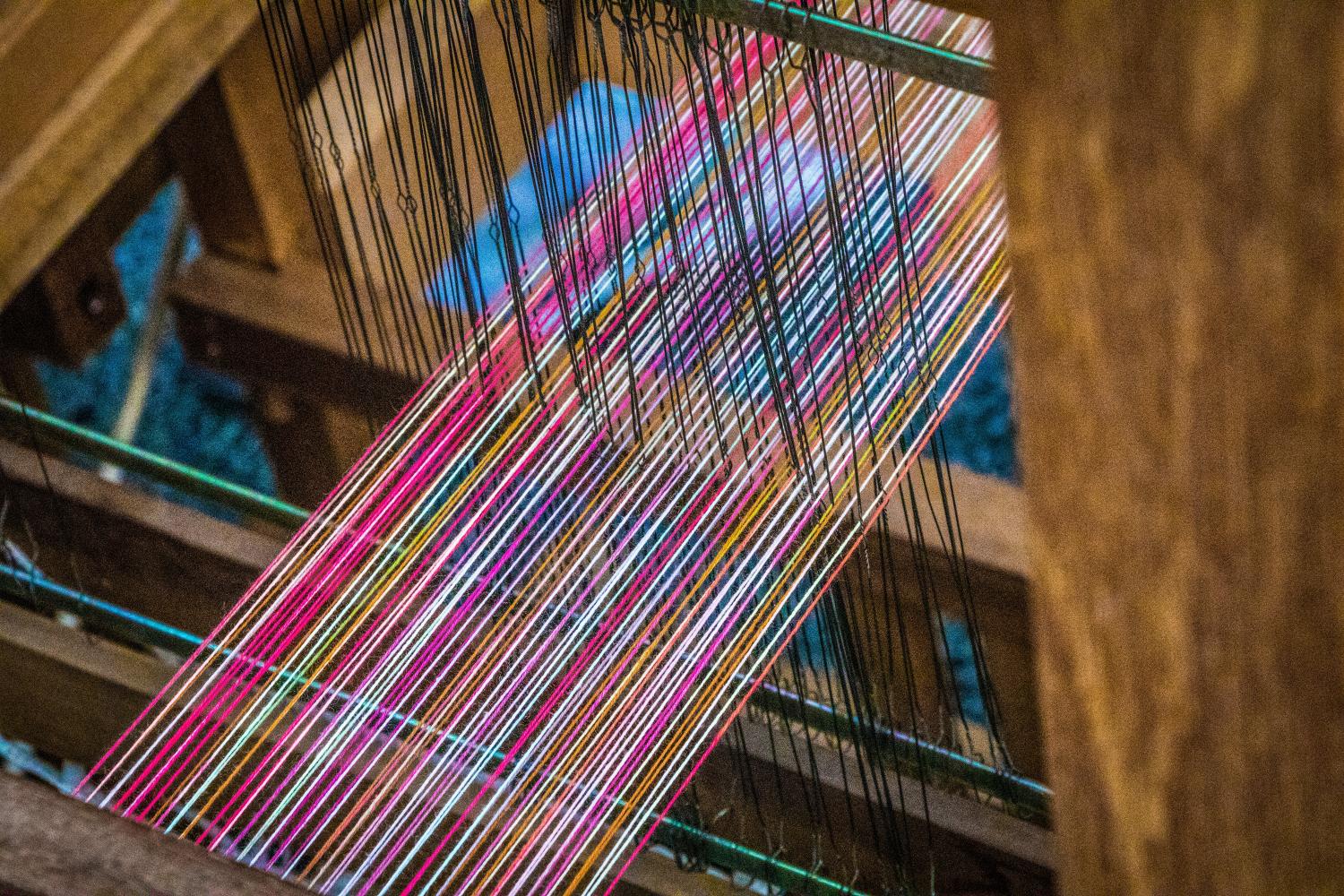
Finally, we must not forget that the entire Bayeux Tapestry would have been woven and sewn by women. By looking closely at the intricate craftwork, this can be another way in which you can ask new questions about this most famous artefact.
Reframing the teaching of Anglo-Norman England
The session helped us all to think about how we can re-define power in the Medieval world to have a broader perspective that can include women in the stories we tell. From patronage, to land holding, pilgrimage and marriage alliances to judicial roles, spending power and signing treaties, there is plenty of evidence for the roles of women in the Medieval past.
When the Bayeux Tapestry comes back to England for the first time in 1000 years, make sure you keep your eyes open to spot the women that are so often overlooked.
To find out more about Natasha’s research and for free access to a range of fantastic resources to help input Medieval women into the classroom, check out the Teaching Medieval Women website.