
“The history of England is the history of the male line, not the female. Of our fathers we know always some fact, some distinction. They were soldiers or they were sailors; they filled that office or made that law. But of our mothers, our grandmothers, our great-grandmothers, what remains?”
Virginia Woolf
Sexism in the History Curriculum (KS3)
The Great History Heist: Reclaiming women’s place in the History curriculum
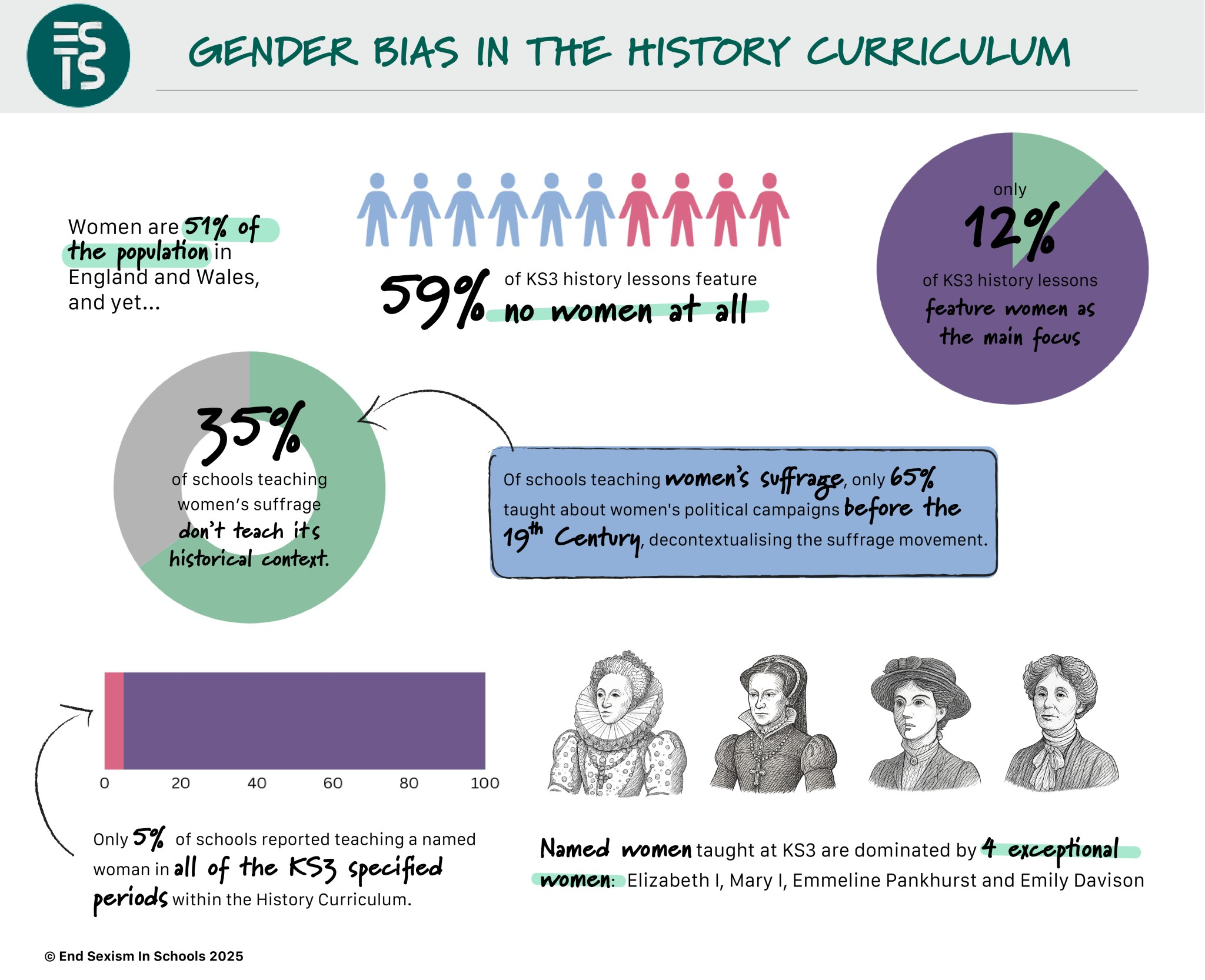
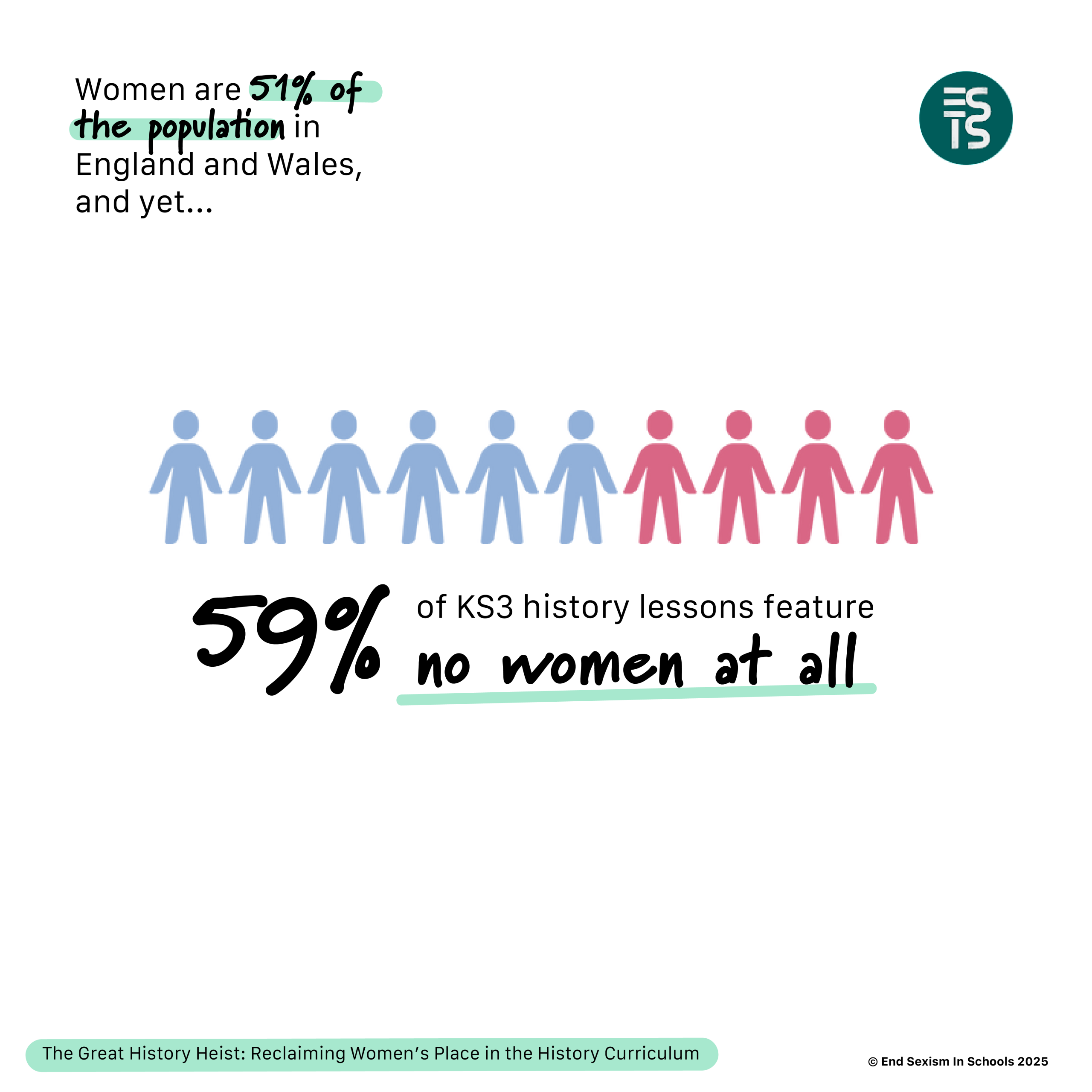
End Sexism in Schools has launched its latest research report, The Great History Heist: Reclaiming Women’s Place in the History Curriculum. The findings include the concerning statistic that only 12% of History lessons feature women as their main focus, with just 29% including women alongside other topics and 59% featuring no women at all.
The research has also established that the History Curriculum’s division into specific periods creates barriers to women’s inclusion, with periods being defined by male political milestones rather than developments that naturally encompass women’s experiences.
Of the named women who are taught, the list is dominated by four ‘exceptional’ figures: Elizabeth I, Mary I, Emmeline Pankhurst, and Emily Davison, leaving the teaching of extensive historical periods without female presence.
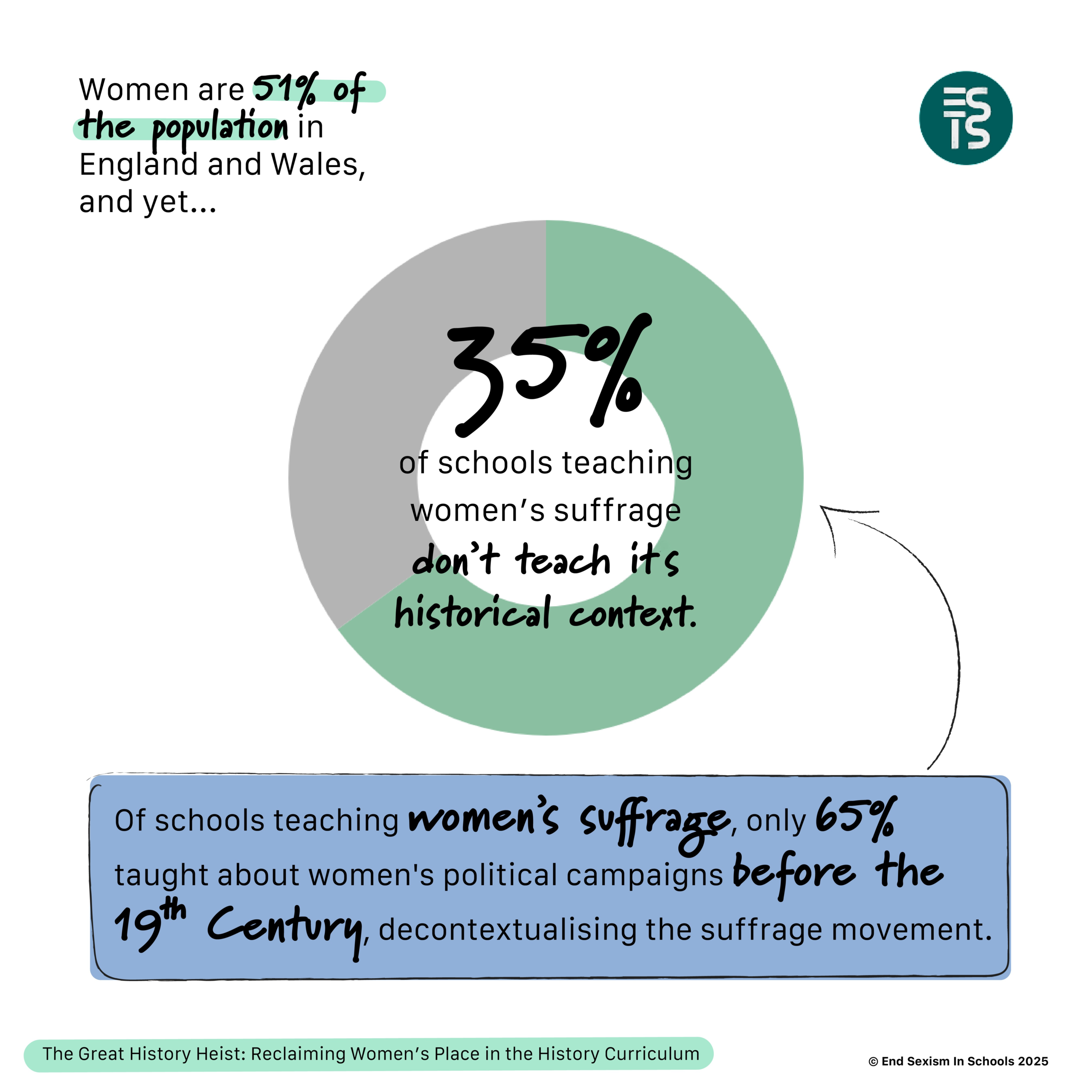
When schools do teach about women’s suffrage, only 65% discuss women’s political campaigning before the 19th century, which decontextualises the suffrage movement from the continuum of women’s political involvement.
End Sexism in Schools was proud to launch this research alongside author Kate Mosse whose book for young adults, Feminist History for Every Day of the Year celebrates amazing women and girls of the past and the present.
Read our detailed findings in the full report and discover more resources in the downloads section of this page.


The Great History Heist Research Downloads
The Great History Heist
Reclaiming women’s place in the History curriculum
Download the summary report of our findings at KS3 and recommendations for change.
The Great History Heist
In-depth findings and Teaching Guide
Download the full report, complete with wider research context, further reading and worked examples for each of our recommendations.
The Great History Heist
Mapping women onto the National Curriculum
Download our suggestions of named women and themes that can easily be integrated into the KS3 National Curriculum as it currently stands.
The Great History Heist
Methodology Supplement
Download the full methodology of our research findings.
Teaching Resources
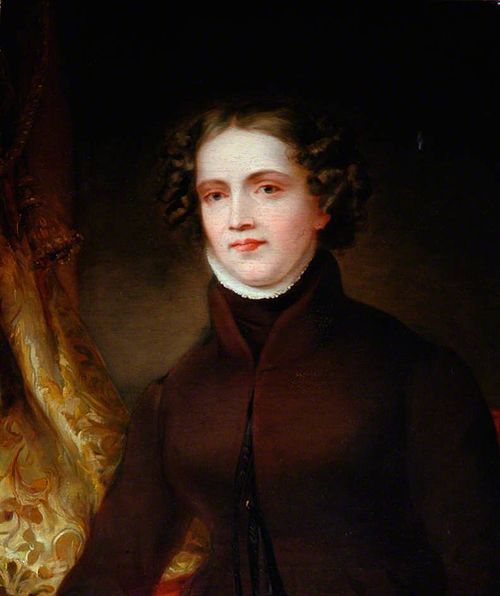
Anne Lister: 1791-1840
Anne Lister (1791-1840) was a Georgian industrialist and landowner who kept a diary describing her life.
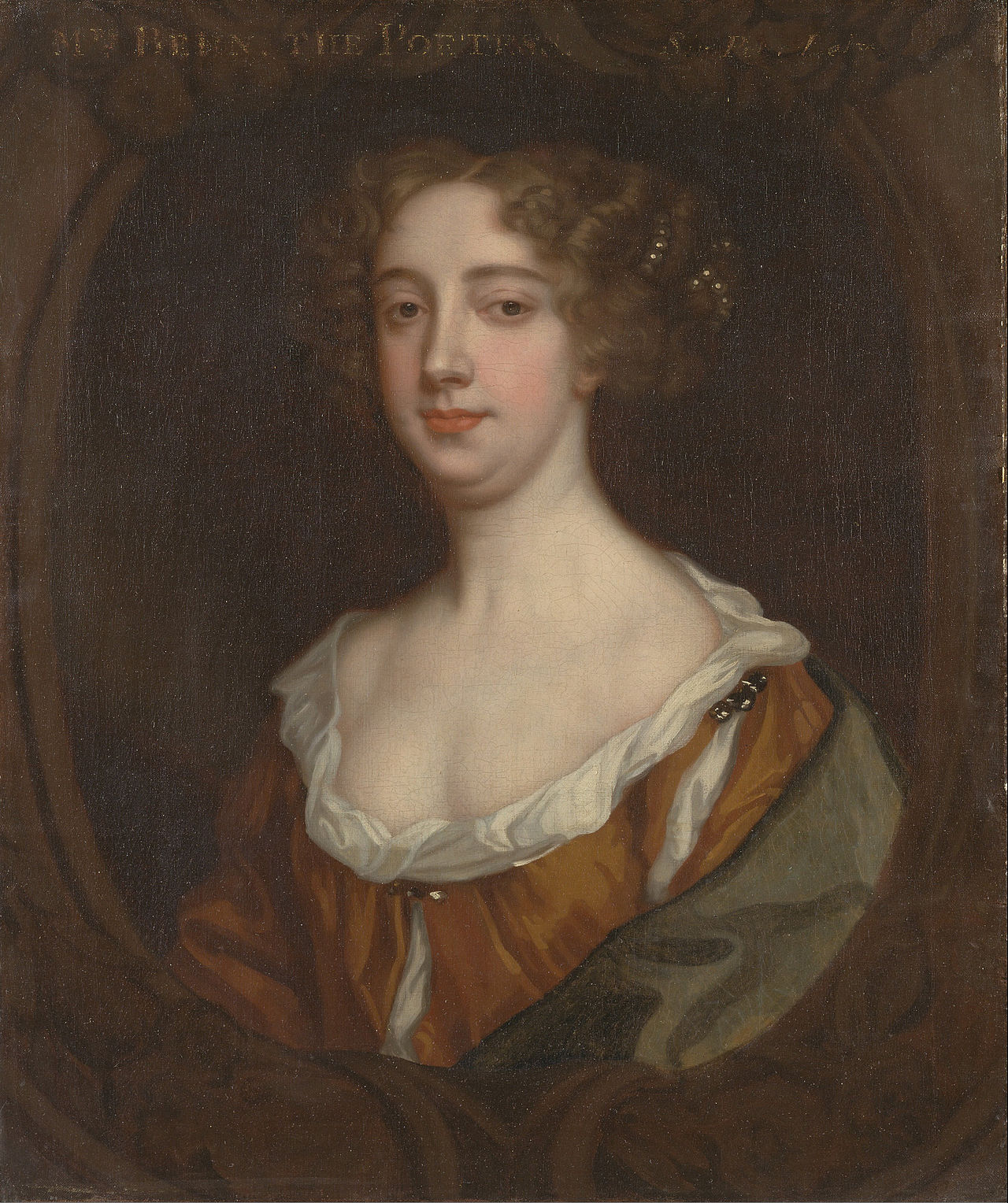
Aphra Behn: 1640-1689
Aphra Behn (1640-1689) was an English playwright, poet and translator during the Restoration period in England.
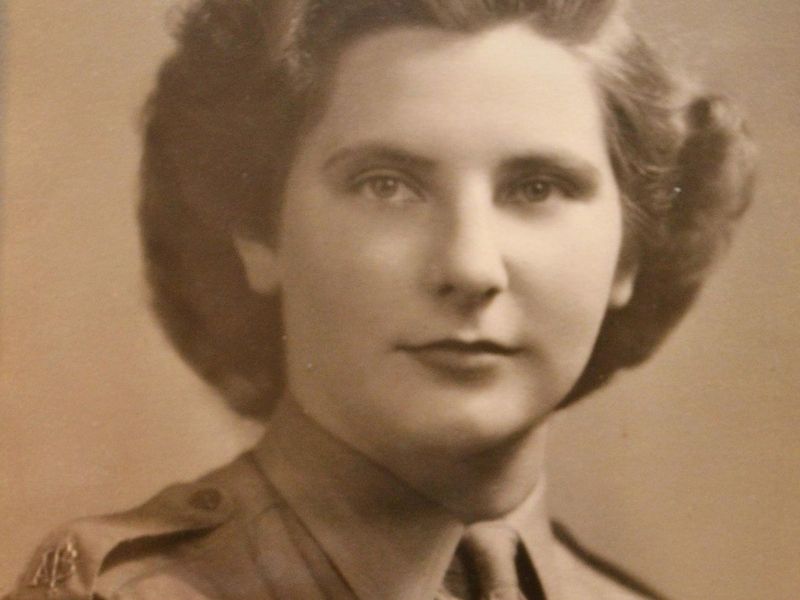
Betty Webb: 1923-2025
Betty Webb was a remarkable Second World War code breaker whose intelligence work at Bletchley Park helped shape the Allied war effort.
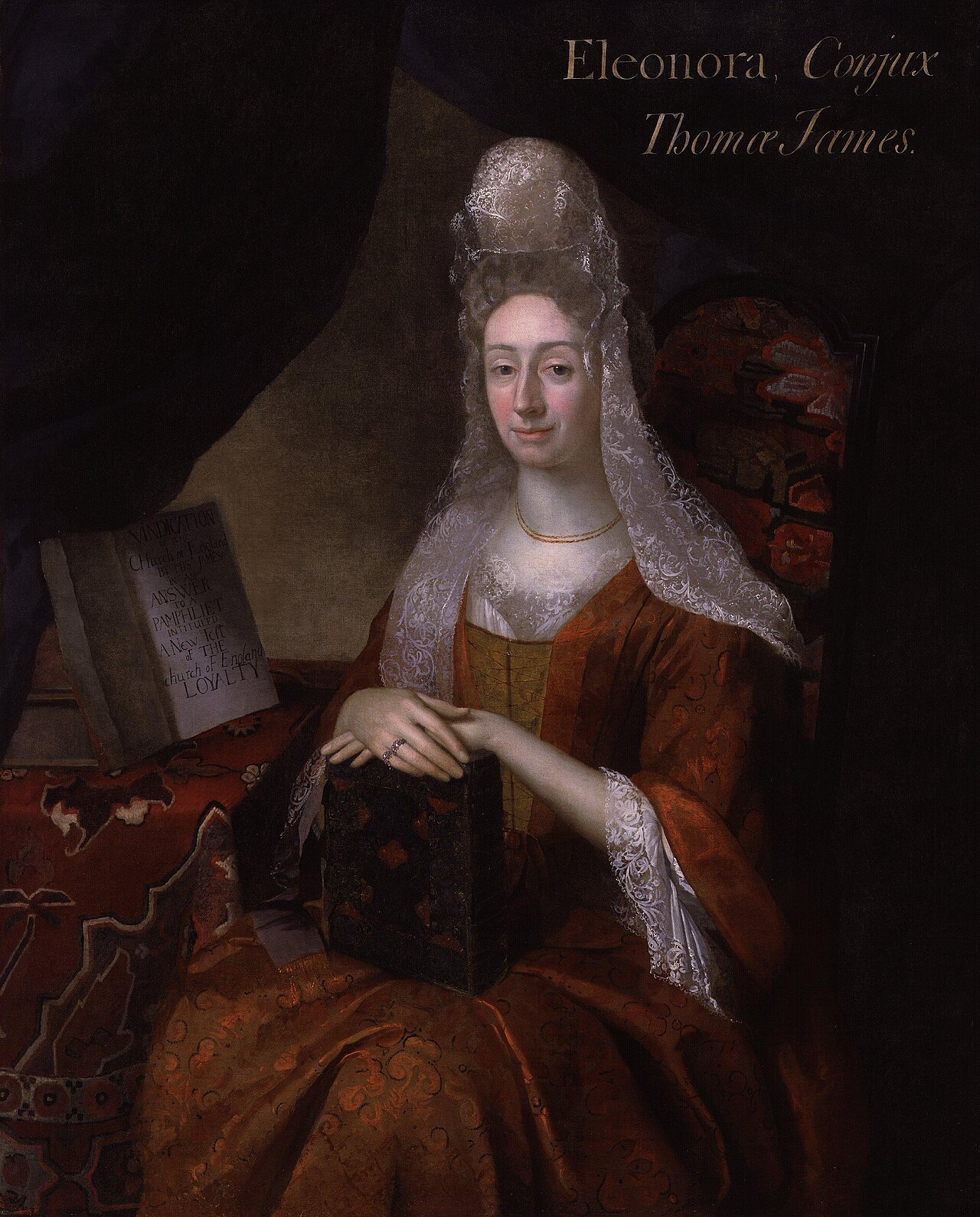
Elinor James: 1644-1719
Elinor James was a formidable early modern printer, author, and political firebrand. She was nicknamed the ‘London City Godmother’.
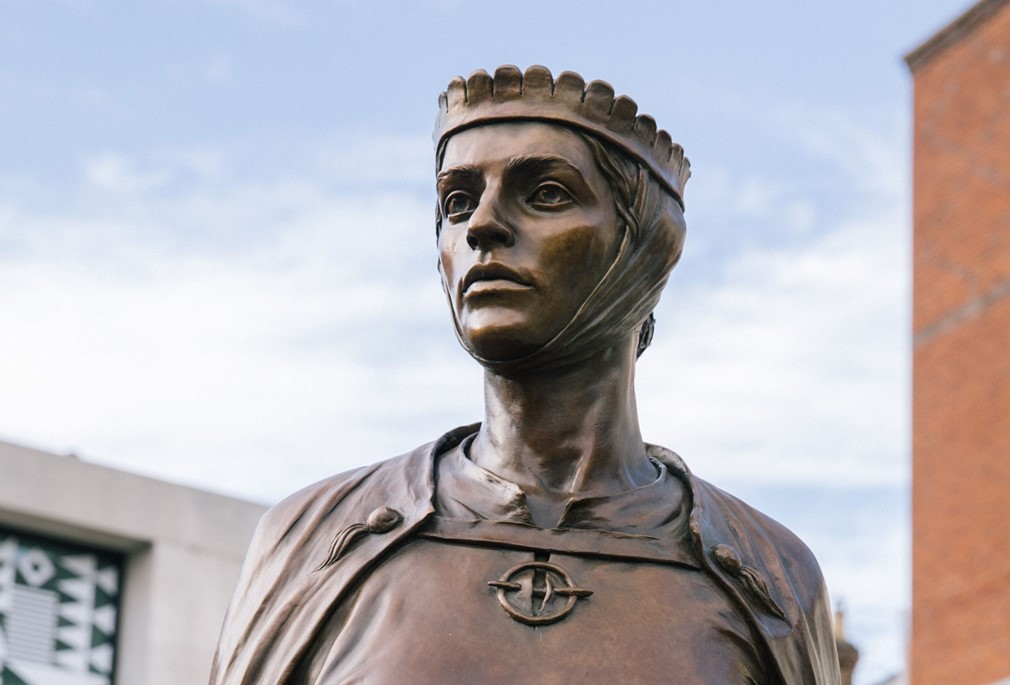
Licoricia of Winchester: c. 1220-1277
Licoricia of Winchester was a Jewish businesswoman who lent money to many medieval figures including royalty and others.
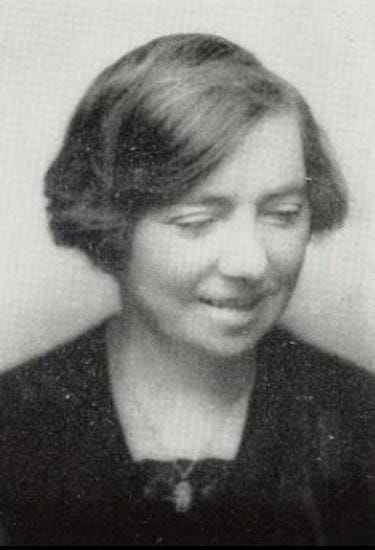
Maeve Cavanagh: 1878-1960
Maeve Cavanagh was a political activist and poet. She was one of the few women in James Connolly’s Irish Citizen Army.
Our Historian Supporters

Lauren Johnson
Lauren Johnson is a historian, writer and heritage interpreter. She is an expert in the Fifteenth and Early Sixteenth Centuries.
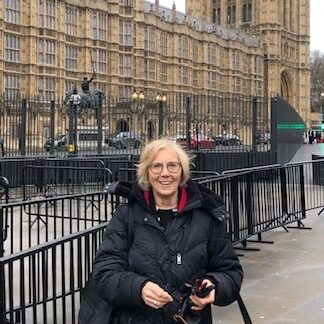
Dr Paula Bartley
Dr Paula Bartley, Honorary Research Fellow at the University of Warwick, is a feminist historian and passionate about promoting women’s history.

Joseph Viscomi
Joseph Viscomi a historian and anthropologist specialising in the Mediterranean region from the late 18th century until the present.

Joseph Lawson
Joseph Lawson is a historian of modern China at Newcastle University. Joseph’s current research focuses on teachers in China and Taiwan.
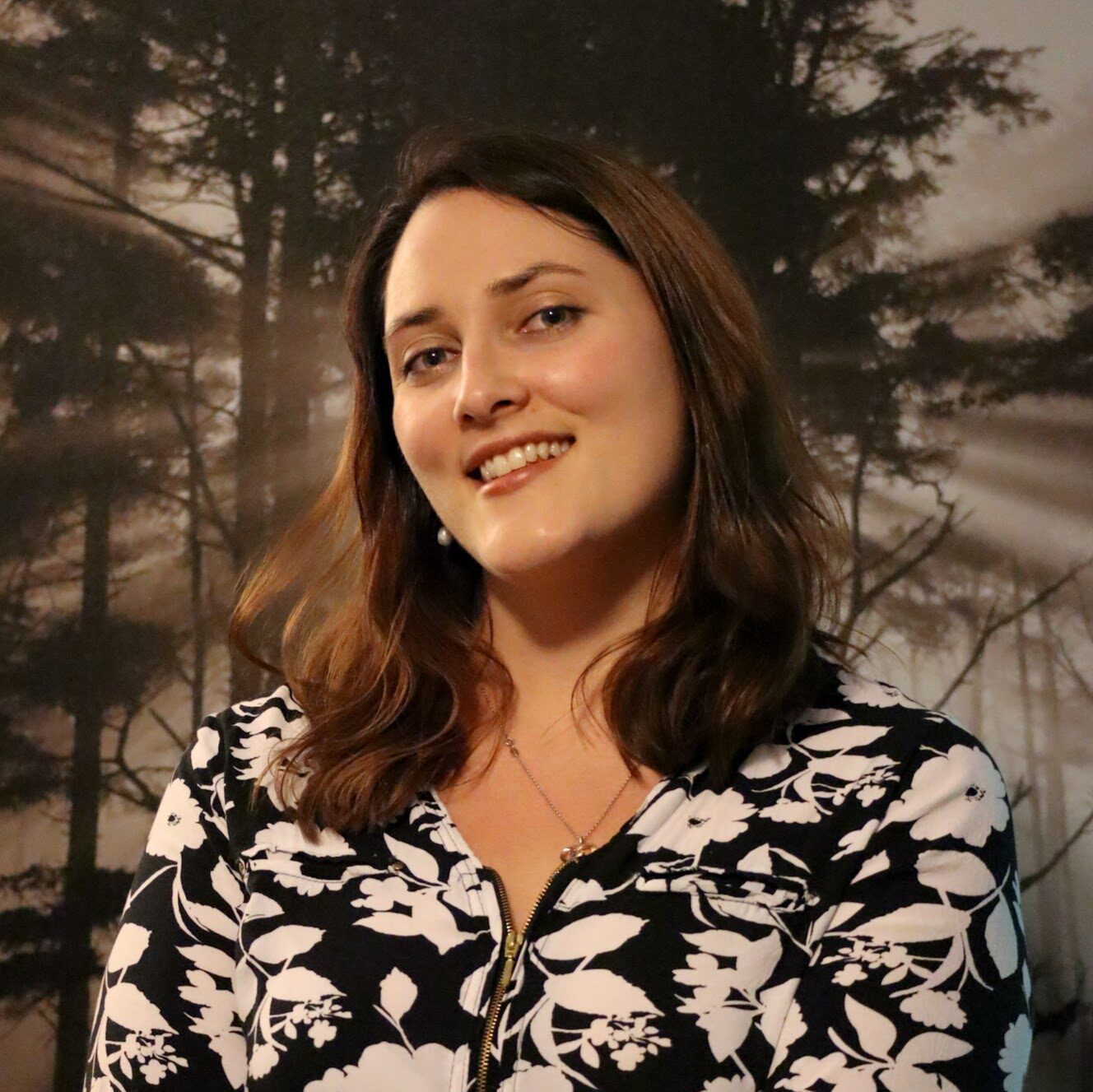
Erin Fetterly
Erin Fetterly is a historian, researcher, and writer from Ontario, Canada. She is passionate about Britain, London and women’s history.

Dr Natasha Hodgson
Dr Natasha Hodgson is Associate Professor in History and Director of the Centre for Research in History, Heritage and Memory Studies (CRHHMS) at Nottingham Trent University.